Introduction
Your brakes are one of the few parts of your car that you rely on every single time you drive. Whether you are travelling through Sydney traffic, stopping at school zones, driving in wet weather, or heading along a busy motorway, the braking system needs to respond smoothly and predictably.
Brake issues often start with subtle changes. The pedal may feel softer than usual. The car may take longer to stop. You may hear a squeal, feel vibration, or notice the vehicle pulling slightly when braking. These signs can be easy to ignore at first, especially if the car is still stopping. However, small brake symptoms can point to wear or faults that may become more serious over time.
Understanding what these warning signs mean can help Sydney drivers make safer decisions and avoid unnecessary damage to brake components.
Why Brake Feel Changes Over Time
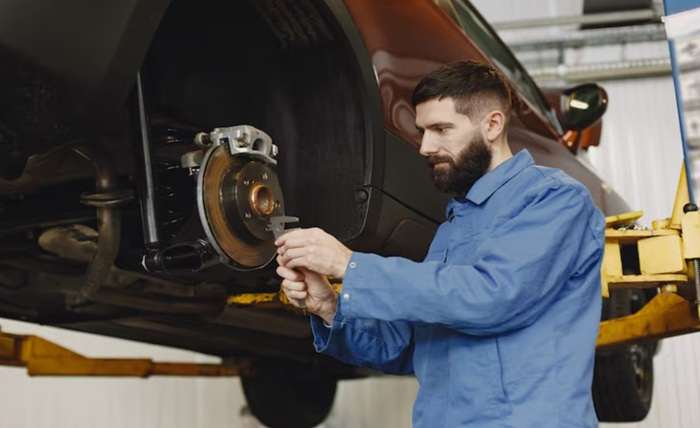
Brakes work through friction, hydraulic pressure, and several connected parts. Brake pads press against discs or rotors to slow the vehicle. Brake fluid transfers pressure from the pedal to the braking components. Calipers, hoses, sensors, and other parts all play a role.
Over time, brake pads wear down, rotors can become uneven, fluid can age, and parts can become stiff or damaged. Driving conditions also matter. Stop-start Sydney traffic, steep streets, towing, short trips, and heavy braking can all increase wear.
A change in brake feel is often the car’s way of showing that something needs attention.
Common Warning Signs of Brake Problems
A high-pitched squeal can indicate worn brake pads or a wear indicator making contact. Grinding is more serious and may mean the pad material has worn away, allowing metal components to contact the rotor.
A soft or spongy pedal may suggest air in the brake lines, low brake fluid, a leak, or hydraulic issues. A vibrating pedal or shaking steering wheel can point to uneven rotors or braking surface problems.
If the car pulls to one side during braking, there may be uneven brake pressure, tyre issues, suspension wear, or a sticking caliper.
Any of these signs should be checked before they worsen.
Why Brake Fluid Should Not Be Forgotten
Many drivers think only about brake pads, but brake fluid is also important. Brake fluid helps transfer pressure through the braking system. Over time, it can absorb moisture or become less effective.
Old or low brake fluid may affect pedal feel and braking response. It can also contribute to internal corrosion in some parts of the system.
Brake fluid checks are usually part of routine servicing, but they are worth paying attention to if the pedal feels different.
Risks of Delaying Brake Repairs
Delaying brake repairs can lead to longer stopping distances, reduced control, damaged rotors, and more expensive repairs. A worn brake pad replaced early is usually simpler to manage than a pad that has damaged the disc.
Brake problems can also affect confidence behind the wheel. If the car does not respond as expected, sudden stops become more stressful.
For drivers who notice noise, vibration, soft pedal feel, pulling, or reduced stopping power, booking Brake Repair in Sydney can help identify the issue before it becomes more serious.
How Drivers Can Help Protect Their Brakes
Good driving habits can reduce brake wear. Keep a safe following distance, avoid harsh braking where possible, slow earlier when approaching traffic, and do not overload the vehicle unnecessarily.
Regular servicing also helps because brake wear can be checked before symptoms become obvious. Tyre condition and wheel alignment should also be maintained because they affect braking stability.
FAQs
Why do my brakes squeal when I stop?
Squealing can be caused by worn brake pads, dust, moisture, or a wear indicator. If it happens repeatedly, the brakes should be inspected.
Is grinding when braking dangerous?
Grinding can mean brake pads are badly worn and metal is contacting the rotor. It should be checked as soon as possible.
Why does my brake pedal feel soft?
A soft pedal may relate to brake fluid, air in the system, leaks, or hydraulic issues. It should not be ignored.
Can Sydney traffic wear brakes faster?
Yes. Frequent stopping, hills, short trips, and heavy traffic can increase brake wear over time.
Conclusion
Brake problems rarely improve on their own. Noise, vibration, soft pedal feel, pulling, warning lights, or longer stopping distance should be treated as signs that the braking system needs attention.
Early inspection can help keep the car safer, prevent further damage, and give drivers more confidence on Sydney roads.